Thermal journaling
Morning fridge-cold versus ambient mug experiments chart subjective alertness changes without concluding metabolic truths.
Sensory lane · Drink Water
This extended Drink Water chapter inventories habits North Shore professionals experiment with during coaching: tracking perceived thirst lag after indoor heating cycles, noting flavour fatigue when herbal teas repeat, and redesigning desk layouts so vessels stay within peripheral vision.
Medical Disclaimer: Language stays descriptive and educational only. We avoid prescribing optimal urine colour commentary, cardiac implications, or electrolyte supplementation tied to symptoms—those discussions belong with licensed healthcare professionals who understand your medical history. This is not medical advice.

Ground rules
Public discourse often compresses hydration into numeric slogans. Here we elongate the narrative: journaling mild sensory shifts across consecutive weekdays, capturing environmental contexts (air-conditioning dryness versus humid commute buses), and acknowledging social inhibition when sipping mid-presentation.
Worksheets invite qualitative markers—comfort descriptors, concentration anecdotes—not biomarkers. If quantitative tracking appeals to you independently, keep datasets outside coaching summaries unless anonymised aggregates serve workshop illustrations.
Micro labs
Morning fridge-cold versus ambient mug experiments chart subjective alertness changes without concluding metabolic truths.
Facilitators whose roles demand steady projection rehearse micro-break pauses co-located with measured sipping rather than marathon speaking blocks.
Short Albany precinct strolls become deliberate refill checkpoints instead of forgotten transitions between carparks and escalators.
Gradually lowering syrup concentrations respects sweetness fatigue while avoiding shame tied to prior preferences.
Spatial honesty
When bottles nest behind monitors or opaque cupboard doors, cues weaken. Split-layout storytelling emphasises literal repositioning—sometimes adhesive dots on desks—before layering digital reminders.
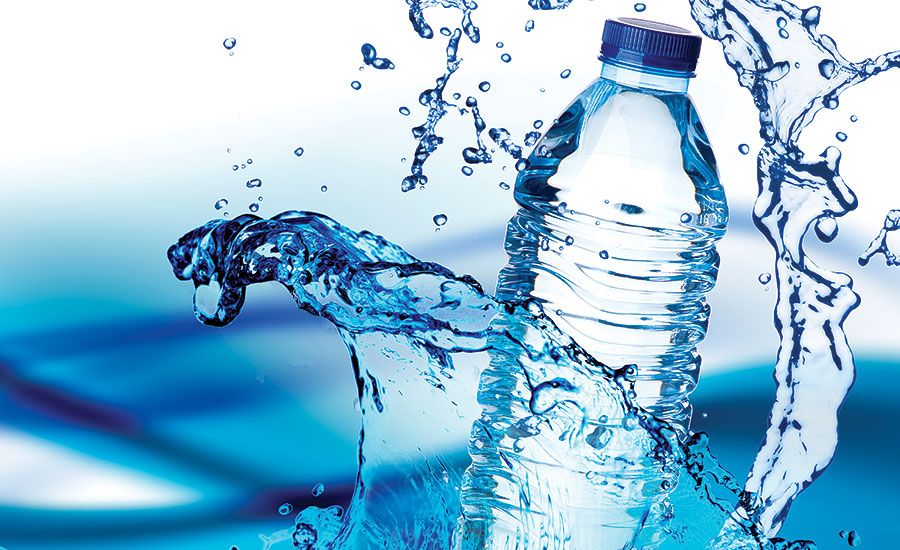
Illustrations stylise transparency concepts; they do not depict branded consumables or imply filtration performance benchmarks.
Long read
Meetings compress attention into singular focal points; sipping can feel performative. Draft scripts propose unobtrusive timing—between agenda pivots, after voting motions—rather than mid-sentence interruptions.
Remote hybrids introduce asynchronous sipping cues tied to mute cycles; documentation stresses consent when suggesting camera-off hydration breaks so equity across caregiving attendees persists.
“Our editorial stance rejects fear imagery—no dehydration catastrophe framing—because calm cognition supports sustainable habits.”
Studio charter · Drink Water lane
FAQ layer
We summarise publicly available chemistry literacy without endorsing hardware brands or therapeutic positioning.
Guardians should co-sign participation; language assumes adult workplace metaphors unless customised privately.
Cross-linking sensory vocabulary with cadence experiments prevents disjointed coaching packets.